How Often Should Gutters Be Replaced?
DIY steps to safeguard your Gutters
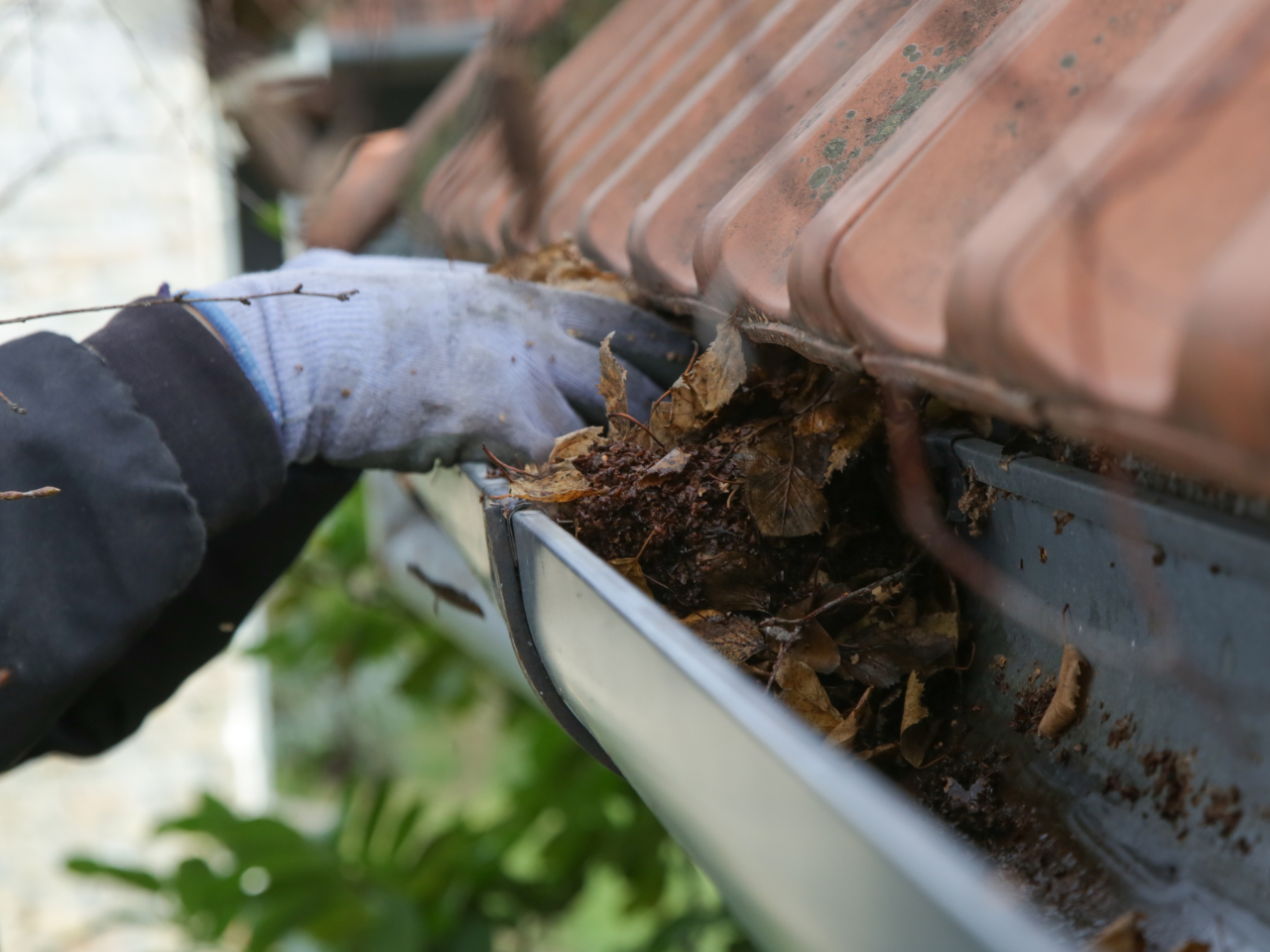
The key to staying current with the condition of your gutters is routine inspections and proactive maintenance. This approach will help ensure your gutters remain functional and help identify and resolve issues early. The rule of thumb is to inspect your gutters at least twice a year, ideally after storms or heavy rainfall or if you notice signs of overflow or blockage. If you are unable to complete these steps yourself, seek assistance from a roof and guttering professional. Key steps to take include:
✔️ Clean your gutters and remove loose debris
✔️ Check downpipes and drainage outlets for any blockages
✔️ Keep trees or overhanging branches away from gutters
Signs It’s Time to Replace Your Gutters
Several warning signs can indicate a replacement is needed sooner rather than later, such as visible cracks, rust spots, sagging sections, or gutters detaching from the roofline. These issues tend to compromise the ability to channel water effectively away from your home. By replacing your gutters, even if they haven’t yet reached the end of their expected lifespan, you will prevent serious damage, including roof deterioration, fascia rot, and structural issues. Telltale signs your gutters need replacing include:
- Cracks, holes, or splits: Small issues quickly turn into major leaks
- Rust or corrosion: Especially common in older metal systems
- Sagging or pulling away from the roofline: Often caused by structural weakness or excess weight
- Frequent blockages and overflow: Suggest poor performance or internal damage
- Peeling paint or water marks on walls: A sign water isn’t being directed away properly
- Pooling water around your foundation: Indicates drainage failure
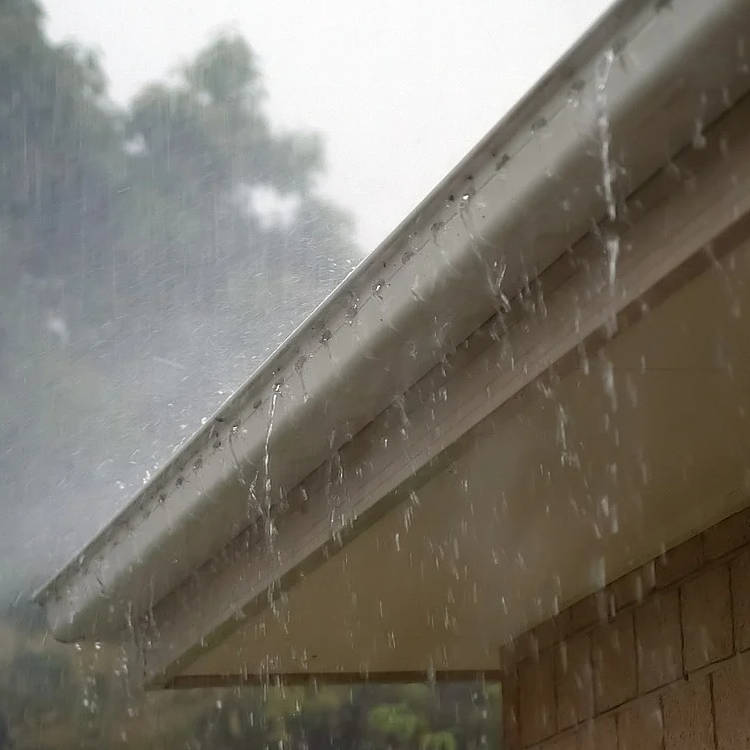
How long do Gutters Typically Last?
How long your gutters last depends largely on the material they are made from, the quality of the installation, and how well they are maintained over time. Additionally, proper installation ensures gutters are correctly positioned, securely attached, and able to direct water efficiently. By investing in quality gutters and ongoing care and maintenance, you can help protect your home from water damage and avoid premature replacement.
- Aluminium gutters are the most commonly used in Australia, with a lifespan of approx 20–30 years
- Steel or galvanised gutters, if well maintained, will last 15–25 years
- Vinyl, also known as PVC gutters, are one of the most cost-effective solutions and have a 10–20 year lifespan
- Copper gutters, typically found on high-end or architecturally designed homes, have a long lifespan of 40–50+ years
🛠 Note: Regular cleaning and maintenance can extend the life of your gutters, while neglect can significantly shorten it.
Protect your Gutters with Gutter Guard!
There is a way to extend the life of your gutters and keep them performing at their best, and that is to install a gutter guard. This protective covering stops leaves, debris, and pests from entering your gutters while still allowing rainwater to flow through freely. Basically, a gutter guard is inserted over or inside your gutters and filters out unwanted materials. For properties surrounded by trees or prone to frequent gutter blockages, gutter guard is a wise investment that can significantly reduce how often your gutters need cleaning or maintenance, costly repairs or premature replacement. In addition, the lifespan of your gutters will ultimately be extended.
How Climate Affects Gutters
Gutters are constantly exposed to environmental conditions that can accelerate wear and tear over time, and the rate of deterioration can vary significantly depending on where you live. Factors such as climate, rainfall, humidity, coastal exposure, and temperature fluctuations all play a role in how quickly gutter systems age. In Queensland, the intense sunlight, high humidity, heavy rainfall, storms, and coastal salt exposure can substantially accelerate corrosion and wear. h
Because of these environmental factors, regular cleaning, timely repairs, and addressing early signs of deterioration are crucial in helping extend the lifespan of your gutters and reduce the risk of water damage to your roof, walls, and foundations.
Benefits of Replacing Your Gutters
When minor gutter issues occur, like small leaks or loose brackets, repairs are generally all that's needed. However, if you’re constantly repairing sections of your guttering and repair costs are adding up, or performance is compromised, investing in new gutters will provide better long-term value. Benefits of gutter replacement include
✔️ Reduced risk of leaks and structural damage
✔️ Effective water management
✔️ Improved visual appeal
✔️ Enhanced durability and lifespan
✔️ Lower maintenance requirements and costs

❓ If you have any questions or concerns about your gutters, call the team at Leak Free Plumbing Solutions for expert guidance and advice
Reference - https://www.getready.qld.gov.au/getting-ready/protect-your-home