Benefits of Roof Plumbers for Storm Damage Repairs!
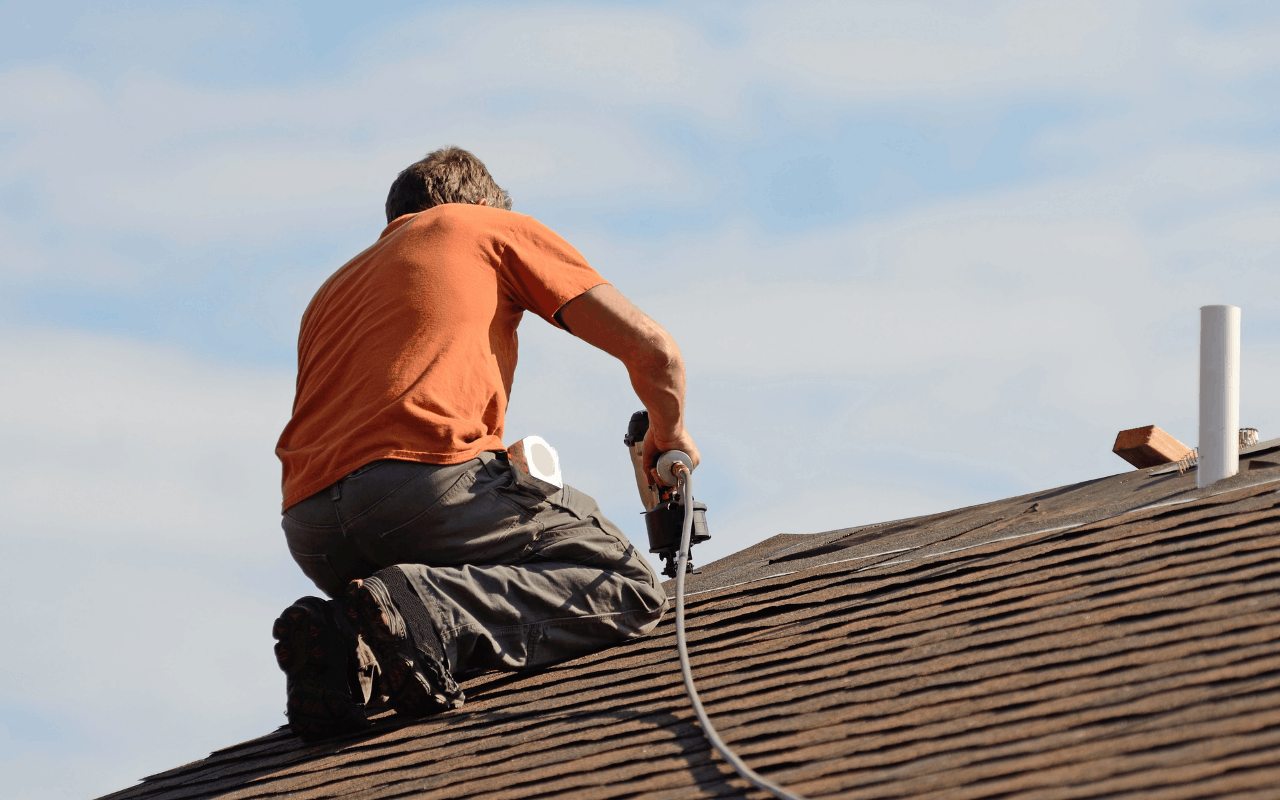
Signs Your Roof Has Sustained Storm Damage
Storm damage is not always immediately obvious, and some issues may only become noticeable over time or when the next storm hits. Identifying the warning signs that your roof has experienced storm damage is the key to preventing minor damage from becoming major, costly repairs, and a homeowner's worst nightmare. Signs to look out for include:
➧ Missing, Loose or Damaged Roof Materials.
Look for missing roof sheets, damaged tiles, lifted metal panels or visible gaps where sections of your roof have been affected.
➧ Water Leaks or Moisture Inside Your Home.
Water stains on ceilings, damp patches on walls, peeling paint or musty smells may indicate that storm damage has compromised your roof’s waterproofing.
➧ Damaged or Overflowing Gutters.
If gutters are no longer draining correctly or water is overflowing during rainfall, your roof drainage system may have been affected.
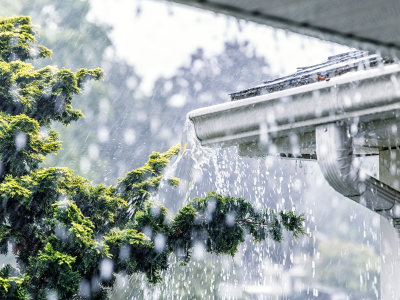
➧ Dents, Cracks or Impact Marks.
Hail and falling branches can leave visible damage on roofing materials, gutters, flashings, skylights and roof vents.
➧ Blocked or Damaged Downpipes.
Heavy storms can wash leaves and debris into your gutters and downpipes, preventing water from flowing away from your home.
➧ Damaged Flashings and Roof Seals.
Flashings around vents, skylights and roof edges help prevent water from entering vulnerable areas. Storms can loosen or damage these components, increasing the risk of leaks.
➧Sagging Areas on the Roof.
If you notice sagging or distortion in your ceiling, this can indicate water damage, structural issues or damage caused by heavy rainfall.
➧ Debris Accumulation on the Roof.
Large branches, leaves and other debris left behind after a storm can damage roofing materials, block drainage points and contribute to water pooling on your roof.
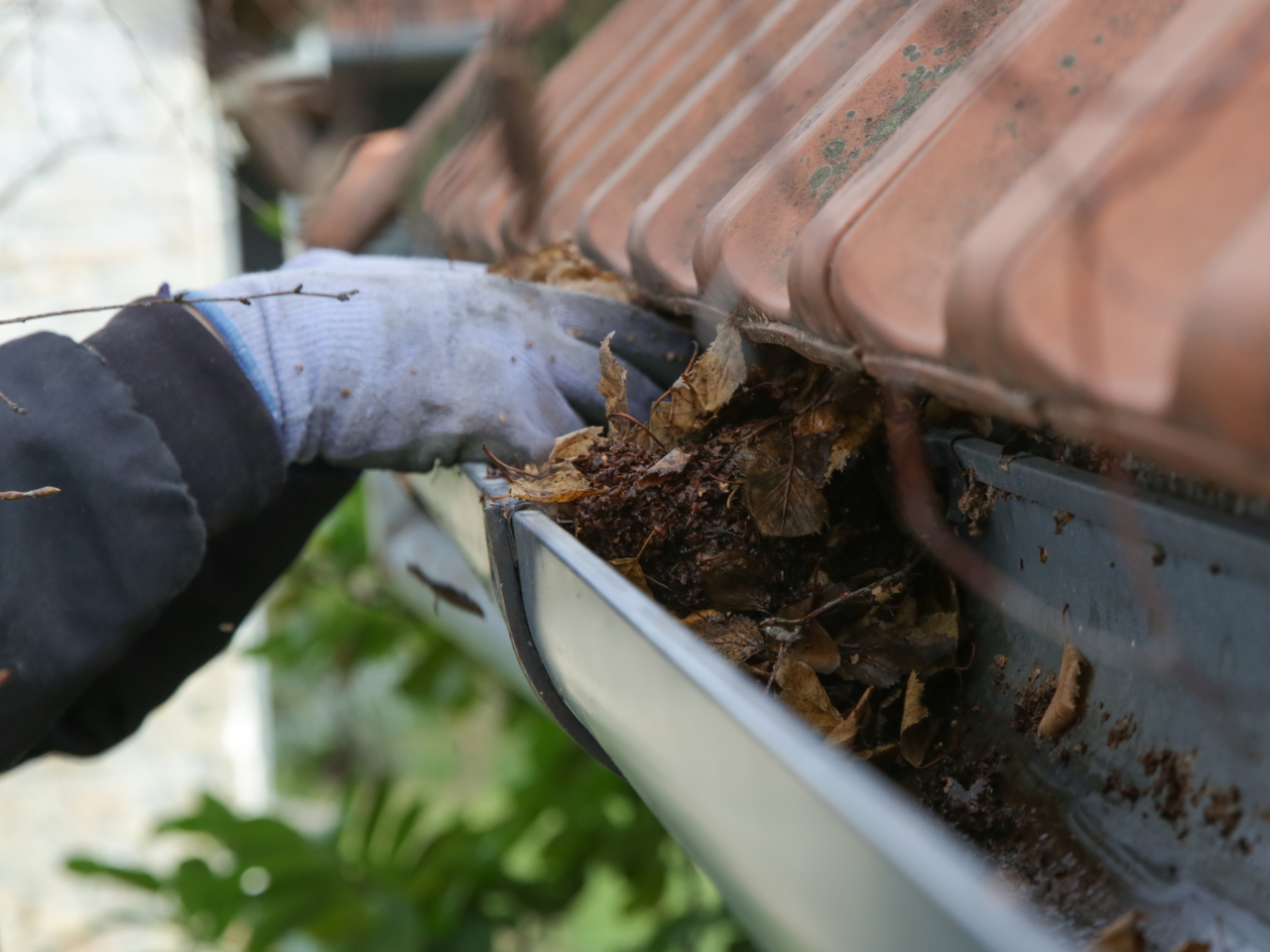
➧ Increased Water Runoff or Poor Drainage.
If rainwater is no longer flowing correctly through your gutters and downpipes, it may indicate damage to your roof drainage system. Poor drainage can cause water to back up and enter areas of your home.
➧ Unusual Sounds After a Storm.
Rattling, banging or movement noises from your roof after high winds may indicate loose roofing materials, damaged gutters or unsecured roof components.
Proactive Roof Maintenance to Avoid Storm Damage
While storms cannot always be avoided, regular roof maintenance can help minimise the impact of severe weather. A roof plumber can identify weak points in your roof and drainage system before they become urgent problems. Preventative maintenance may include:
- Cleaning gutters and downpipes
- Checking roof flashings and valleys
- Inspecting gutter alignment and drainage flow
- Repairing minor water leaks and damaged areas
- Replacing worn roofing components
Why Choose Professional Roof Repairs After Storm Damage?
Attempting DIY storm repairs can be risky, especially when working at heights or dealing with damaged roofing materials. Storm damage can compromise the protection your roof provides, but prompt action can significantly reduce the risk of further issues. Whether your gutters have been damaged, your roof is leaking, or your drainage system is no longer performing correctly, a professional roof plumber has the expertise and necessary equipment to complete repairs correctly. They understand how roofing materials respond to weather conditions and can provide expert advice and durable solutions designed to withstand Australia’s harsh climate. By restoring your roof plumbing system after a storm, you can rest assured your roof and property are ready for whatever weather comes next.
✅ Expert Knowledge of Roofing Systems.
Roof plumbers understand how different roofing materials, drainage systems and weather conditions affect your home.
✅ Faster Identification of Problems.
A professional inspection and precise leak detection can uncover visible and hidden storm damage quickly, helping prevent further deterioration.
✅Long-Term Repair Solutions.
Quality repairs restore your roof’s function rather than providing temporary fixes that may fail during future storms.
✅ Improved Protection Against Future Weather.
A properly repaired roof drainage system helps your home better handle heavy rainfall and extreme weather conditions.
✅ Storm Damage Insurance Claims.
After a major storm, you might need to make an insurance claim for roof repairs. A roof plumber can provide valuable support by inspecting the damage, documenting affected areas and completing necessary repair work.

💧 Don't hesitate to call the roof repair specialist at Leak Free Plumbing Solutions for all your storm damage roof repair solutions
Reference:https://www.qld.gov.au/housing/body-corporate/maintenance/storms
https://www.hpw.qld.gov.au/__data/assets/pdf_file/0026/3959/repairing-storm-damaged-roofs.pdf