4 tips to keep your drains healthy

4 Tips To Keep Your Drains Healthy
Ever stepped into the shower expecting the water to drain away, only to find it slowly pooling around your feet? It’s unpleasant and concerning, and it's often an early warning sign of a blocked or restricted drain.
One of the most common signs of a blocked drain is slow-draining water, whether it's for your kitchen sink, bathtub or shower. You pull the plug, expecting the dirty water to disappear, only to find it sitting there or draining so slowly that you could finish reading a chapter of a book before it empties. The thing is, you can't ignore this issue as it creates inconvenience and demands attention asap. What starts as a minor issue can quickly turn into stubborn blockages, unpleasant smells and unexpected plumbing bills.
But Wait! There is Good News
And we all love good news! Keeping your drains healthy can be achieved by adopting a few simple habits. Ready to give your drains some attention? Here are four easy, practical tips you can start using today to keep everything flowing and avoid unnecessary plumbing headaches.
It's really this easy to ensure your drains remain healthy and flow smoothly.
1. Be Mindful of What Goes Down Your Drains
Your plumbing system is designed to carry wastewater away from your property, but that doesn't mean everything can safely go down the drain, and this includes toilets. Even products labelled as flushable may not break down quickly enough to move through your plumbing system without causing problems. Items such as wet wipes and sanitary products are notorious for causing blockages in toilets. These clogs can happen anywhere from the toilet to the mains sewerage system, causing millions of dollars in damages. In the kitchen, food scraps and cooking fat are often the culprits, as they become lodged in pipes and simply won't budge.
Rule of thumb: Only wastewater and appropriate toilet paper should go down the toilet, while sinks and shower drains should be kept free of solid waste. If a blockage develops, avoid repeatedly pouring chemicals down the drain, and consult a qualified plumber. They will identify the cause and recommend the most appropriate resolution without risking unnecessary damage to your plumbing.
2. Keep Grease, Oil and Food Scraps Out of Your Kitchen Sink
It's tempting to rinse leftover cooking oil or scrape food scraps straight into the kitchen sink, especially when you're in a hurry. However, these seemingly harmless habits can contribute to stubborn blockages over time. When cooking fats, oils and grease cool, they can solidify inside your pipes, trapping food particles and other debris. Even small amounts can gradually restrict water flow and contribute to unpleasant smells. Sink strainers or drain guards are handy, cheap little tools to prevent things like food scraps (kitchen sink) or hair and soap bits (bath or shower drain) from entering the drains.
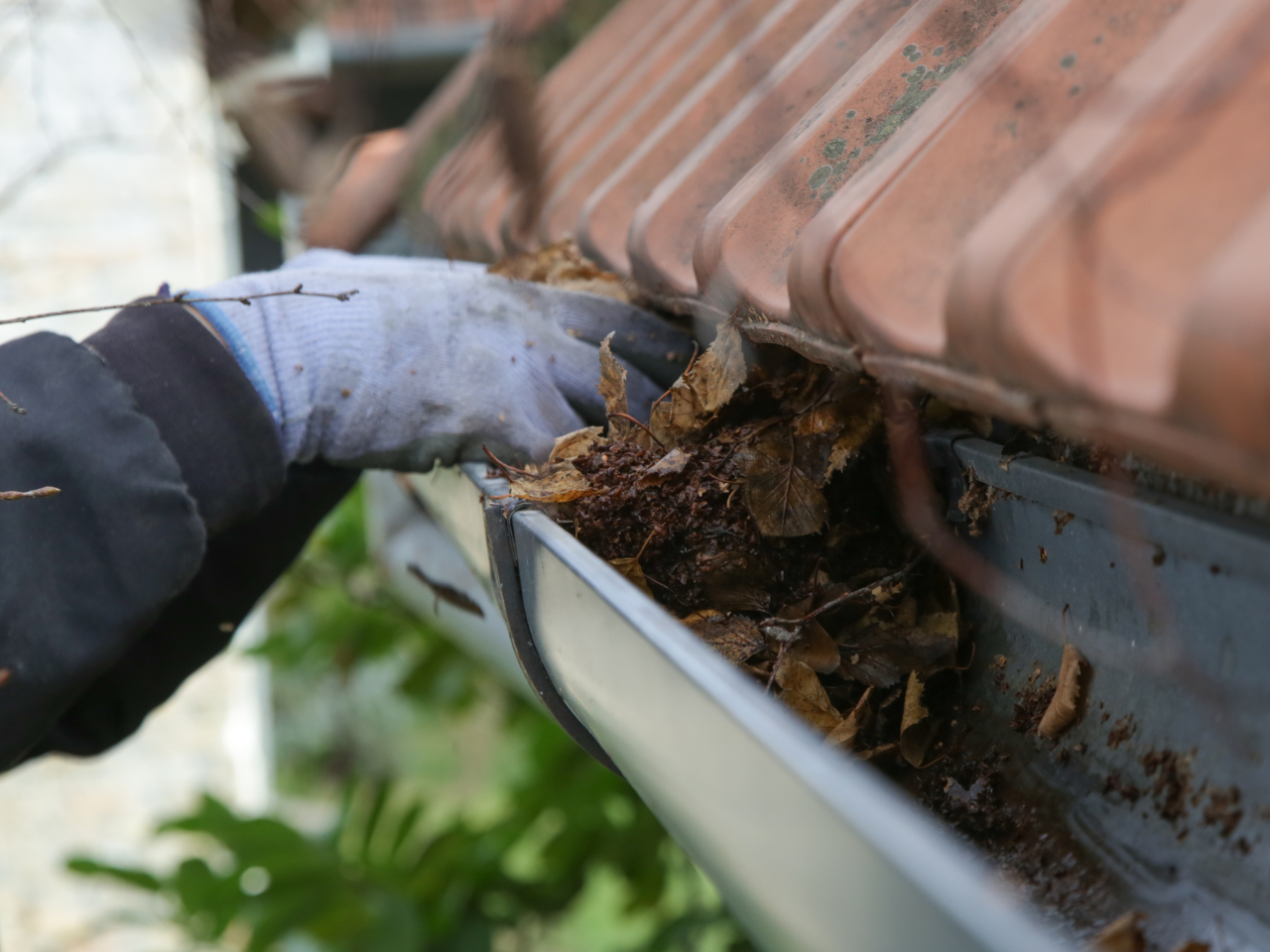
3. Clear your Gutters Regularly
Keeping gutters free from leaf and garden debris and impacted dirt ensures that the rainwater can move from the roof to downpipes and the stormwater drain quickly. This simple task will help prevent water from working its way into the home, stop debris from washing down into the drains, and help prevent backup and blockages during storms. Some homeowners can safely take on this task; however, if you need help, contact a roof plumber for effective gutter cleaning.
4. Address Drain Problems Early
Gurgling sounds, unpleasant odours, recurring blockages and slow-draining water usually indicate an underlying plumbing issue. The key is not to wait until things get worse. Early intervention by an experienced drainage plumber will help prevent blockages, pipe damage, flooding in your home and costly repairs.
🫸A word of warning: Think twice before using chemical drain cleaners:
A common reaction to a blocked drain is to reach for chemical drain cleaners. This approach can cause more harm than good, as they can damage certain pipe materials, particularly when used incorrectly or repeatedly.
🔑The key takeaway: Healthy drains start with good everyday habits. Be mindful of what enters your pipes, keep drains clear and act quickly when something seems wrong.